.jpg)
.jpg)
.JPG)
.jpg)
.jpg)
_看图王.jpg)



NEWS
What Are Standard Bookshelf Dimensions in 2026?
The standard bookshelf dimensions for residential cabinetry in 2026 typically range from 30 to 36 inches in height, 24 to 48 inches in width, and 10 to 12 inches in depth, according to guidelines from the National Kitchen & Bath Association (NKBA). These dimensions accommodate the majority of standard book sizes while ensuring structural stability and ergonomic accessibility.

Standard Bookcase Size Reference Table
| Dimension Type | Standard Range | Recommended For |
|---|---|---|
| Height | 30" - 84" (76-213 cm) | Wall-mounted to floor-to-ceiling units |
| Width | 24" - 48" (61-122 cm) | Single-wide to double-wide bookcases |
| Depth | 10" - 12" (25-30 cm) | Standard books, decor, and storage |
| Shelf Spacing | 10" - 14" (25-36 cm) | Paperbacks to oversized art books |
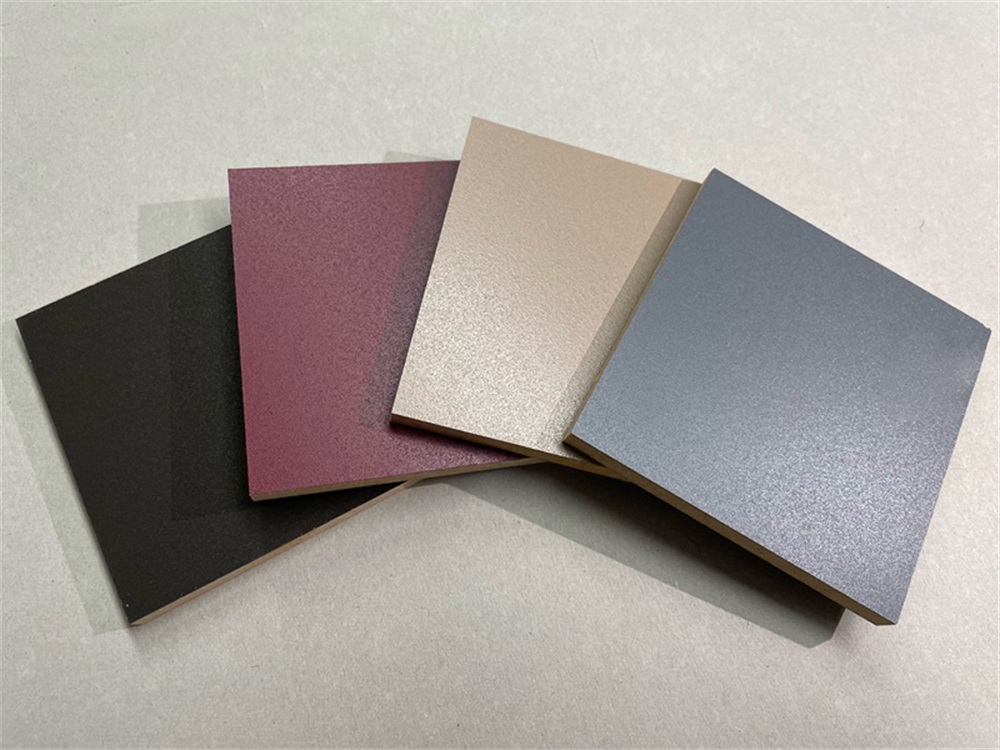
| Thickness | 3/4" - 1" (19-25 mm) | Birch plywood, MDF, or solid wood |
Detailed Bookshelf Dimension Breakdown
Bookcase Height Standards
Bookcase height depends on intended use and ceiling constraints:
Wall-mounted shelves: Typically 30"-36" (76-91 cm) high, ideal for above-desk or above-wardrobe installations.
Standard floor bookcases: 36"-72" (91-183 cm), the most common range for living rooms and home offices.
Tall/floor-to-ceiling bookcases: 72"-84" (183-213 cm) or custom heights up to 96" (244 cm), ideal for libraries and study rooms.
Bookshelf Width Standards
Width affects both storage capacity and shelf sag resistance. The American National Standards Institute (ANSI) recommends keeping unsupported shelf spans under 36 inches to prevent bowing:
Compact (single-wide): 24"-30" (61-76 cm) - suitable for tight spaces
Standard: 30"-36" (76-91 cm) - most common residential width
Wide (double-wide): 36"-48" (91-122 cm) - requires center support or thicker shelving
Bookshelf Depth Standards
Depth determines what the shelf can hold and how far it protrudes into the room:
Shallow (8"-10"): Paperbacks and small decor items
Standard (10"-12"): Full-size hardcover books, encyclopedias, and mixed display
Deep (14"-16"): Oversized art books, storage baskets, or display behind glass doors
Shelf Spacing Guidelines
Proper shelf spacing ensures books stand upright without crushing or leaning. The Library of Congress recommends the following spacing based on book categories:
| Book Type | Recommended Spacing |
|---|---|
| Paperbacks | 8"-10" (20-25 cm) |
| Standard hardcovers | 10"-11" (25-28 cm) |
| Oversized/art books | 12"-14" (30-36 cm) |
| Reference/encyclopedias | 11"-12" (28-30 cm) |
Material Considerations for Bookshelf Construction
The material used directly affects maximum span and load capacity. According to the Architectural Woodwork Institute (AWI) standards:

Solid birch wood (3/4"): Supports up to 36" span, ideal for premium bookcases
Birch plywood (3/4"): Supports up to 30" span without sagging
MDF with melamine (3/4"): Supports up to 24" span, cost-effective option
Particleboard (3/4"): Supports up to 18" span, budget tier only
Custom vs Standard Bookcase Dimensions
While standard dimensions serve most needs, custom bookcases allow optimization for specific spaces and collections. At Trendmax Cabinetry, we manufacture custom bookcases in birch wood, MDF, and melamine finishes, tailored to your exact dimensional requirements. Our products comply with ANSI/KCMA standards and use CARB Phase 2 certified materials for indoor air quality safety.
Frequently Asked Questions
What is the standard depth of a bookshelf?
The standard bookshelf depth is 10 to 12 inches (25-30 cm), which accommodates most hardcover books while minimizing floor space usage.
How tall should a bookcase be?
A standard floor bookcase is 36 to 72 inches (91-183 cm) tall. Wall-mounted units are typically 30 to 36 inches. Floor-to-ceiling units can reach 84 to 96 inches.
How wide can a bookshelf be without sagging?
With 3/4" birch plywood, shelves up to 36 inches wide can safely support books without sagging. For wider spans, use 1" thick material or add a center support.
Need custom bookcases built to your exact dimensions? Contact Trendmax Cabinetry for a free quote. We manufacture to ANSI/KCMA standards with CARB Phase 2 certified materials, delivering to the USA, Canada, Australia, and New Zealand.