.jpg)
.jpg)
.JPG)
.jpg)
.jpg)
_看图王.jpg)



NEWS
What a Sideboard Actually Does
The sideboard is the workhorse of dining room storage: a low, wide cabinet—typically 30 to 36 inches tall—that hides table linens, serveware and glassware behind doors and drawers while doubling as a serving surface. In hotel and restaurant dining rooms the same category appears as buffet cabinets, where the top surface carries service equipment and the interior stores backup tableware. Choosing one is less about style first and more about matching interior volume to what you actually store.
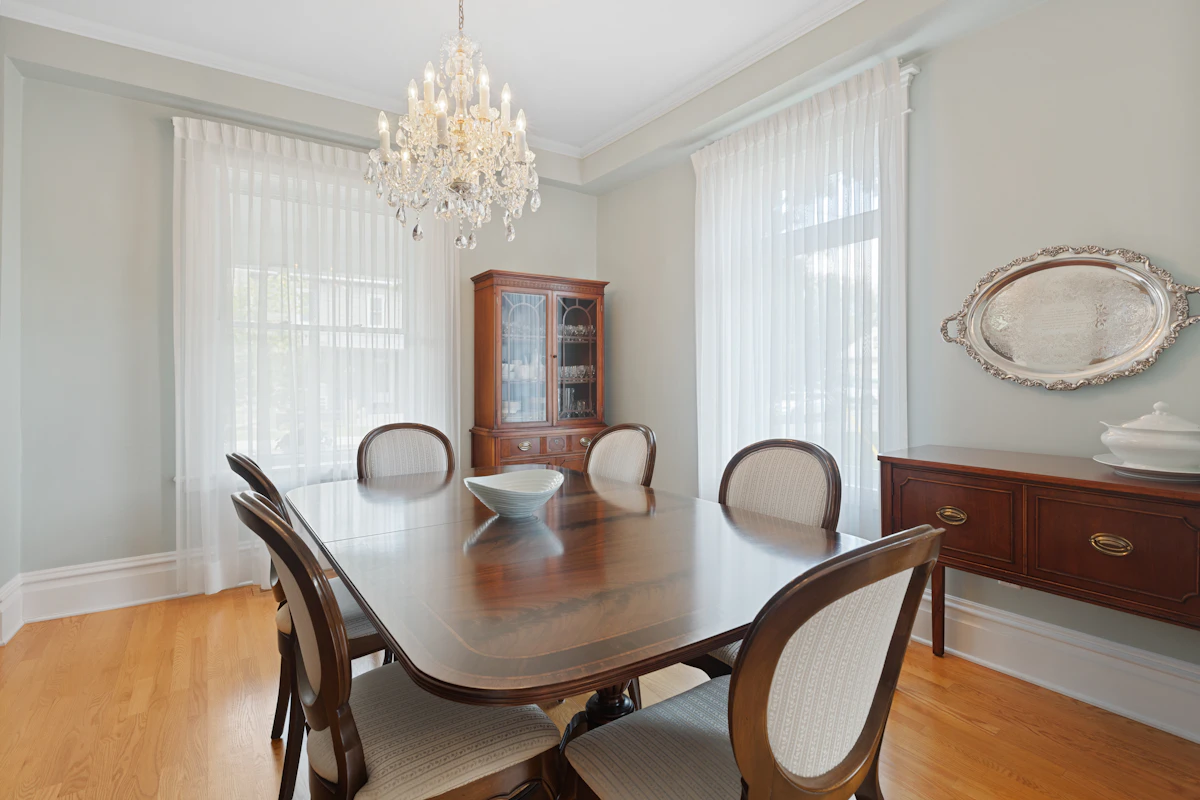
Sideboard vs Buffet vs China Cabinet vs Hutch
| Type | Height | Storage Character | Best For |
|---|---|---|---|
| Sideboard / buffet | 30-36" | Doors + drawers, closed storage, serving top | Everyday linens, serveware, bar setup |
| China cabinet | 60-72" | Glazed display top over base cabinet | Showing china, glassware, collectibles |
| Hutch | 60-78" | Open or mixed shelving above a cabinet base | Books, ceramics, casual display |
| Credenza | 26-32" | Sleek, low, often leg-mounted | Modern dining rooms and offices |
| Wine / bar cabinet | 32-72" | Racks, cubbies, sometimes refrigeration | Entertaining zones |
The terms overlap in retail listings, so spec by dimensions and interior layout rather than by name. A "sideboard" listing with a glazed upper section is functionally a china cabinet.
Standard Sizes That Matter
Width: most sideboards run 48 to 72 inches wide; compact dining rooms suit 40-48" two-door units, while hotel buffets commonly spec 72" or wider runs.
Depth: 16 to 22 inches. Below 16" a dinner plate (10.5-12") stored flat will not fit inside; deep enough matters more than wide.
Height: 30-36" keeps the top at a comfortable serving height and leaves wall space for art or a mirror above.
Clearance: keep at least 36 inches between the sideboard front and the dining table so doors and drawers can open with chairs pushed in—48 inches if both open at once during service.
Interior Layout: Plan Before You Buy
Adjustable or removable shelves let the same cabinet hold stacked plates one year and a wine case the next.
Drawers in the middle section catch cutlery, candles and linens; all-door interiors force everything into stacks.
Soft-close hinges and slides are the first thing to fail on cheap units—check the cycle ratings, not just the look.
Ventilation matters if the cabinet stores small appliances; look for back cut-outs for cords.
Adjustable feet or levellers keep doors aligned on uneven restaurant floors.
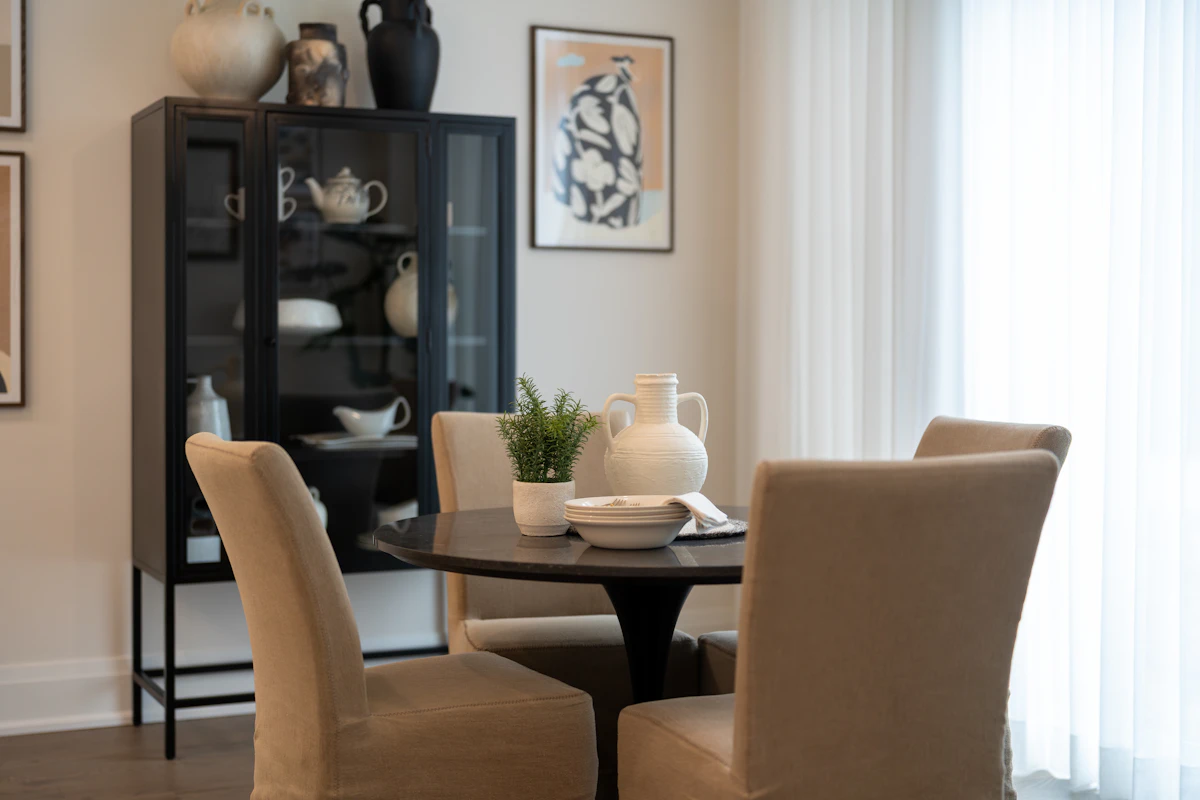
Materials and Finishes for 2026
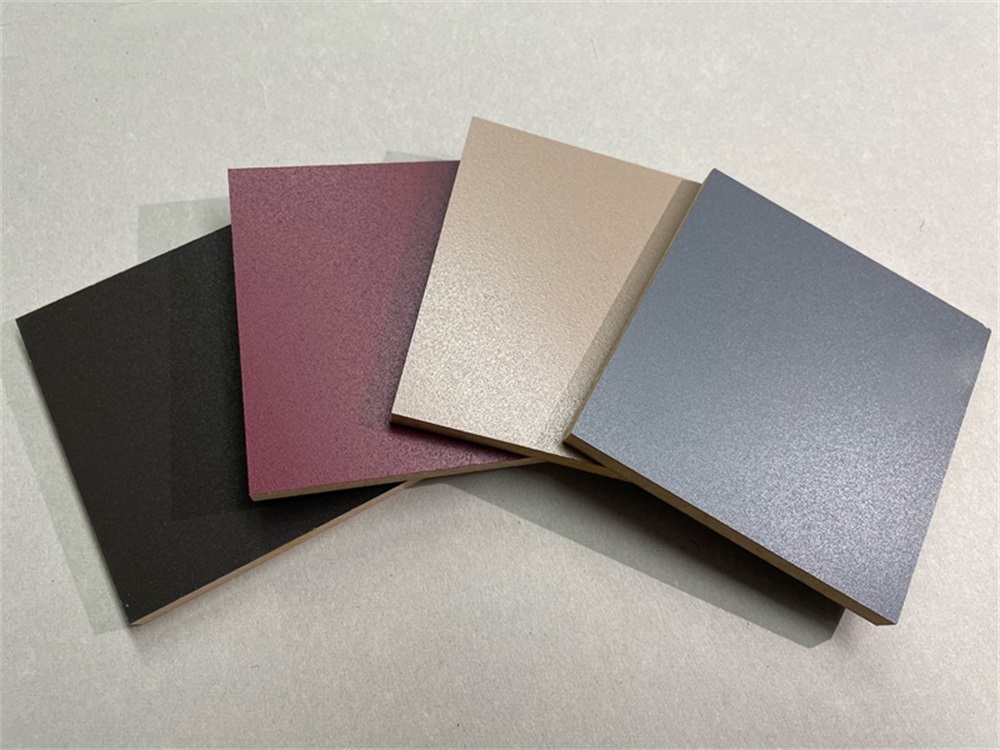
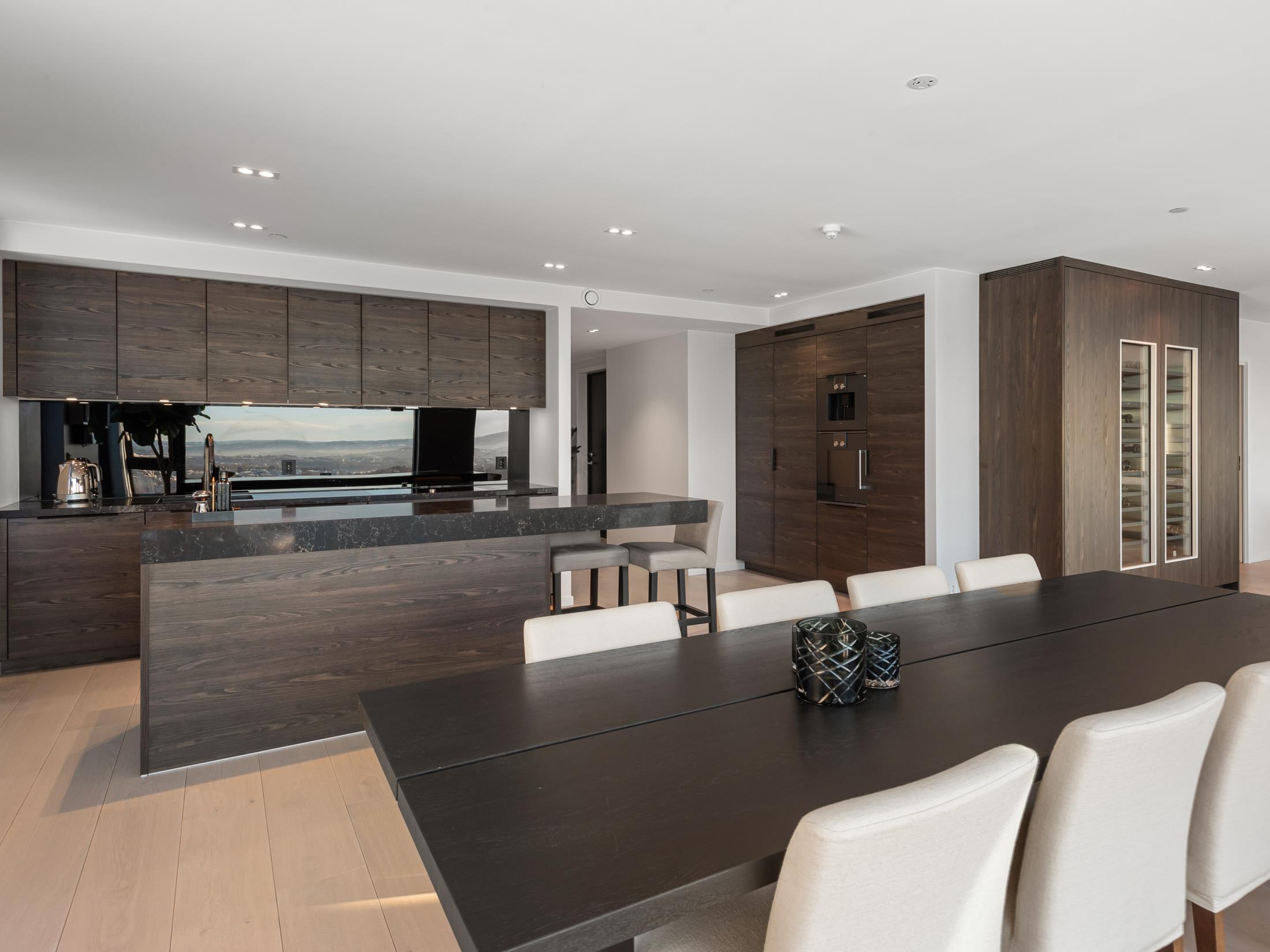
Engineered wood with a laminate or veneer finish dominates the value segment, while solid wood frames with veneer panels hold up best in commercial dining spaces. Finishes trending this year are warm oak and walnut veneers, fluted and slatted door fronts, and reeded glass in display sections. For high-traffic hospitality use, prioritize a finish with a documented abrasion rating over a decorative texture—textured fronts trap grease near service areas and are hard to wipe down.
Quick Sourcing Checklist
Measure the wall run and deduct 6-12 inches of breathing space each side.
Confirm interior shelf count and whether shelves are adjustable.
Check that drawers are at least 5 inches deep for linens and serveware.
For hotels and restaurants, ask for the abrasion and stain test results of the top surface.
Verify door swing direction against the room's traffic path before ordering.
Bottom Line
Get the interior volume right first: 18 inches of depth, adjustable shelving, a drawer section for small items, and soft-close hardware rated for daily use. Style then narrows the field—low and wide for modern rooms, glazed and tall when display matters. A dining room with one well-specced sideboard usually needs no other storage furniture at all.