.jpg)
.jpg)
.JPG)
.jpg)
.jpg)
_看图王.jpg)



NEWS
What Is the Difference Between Frameless and Framed Cabinets?
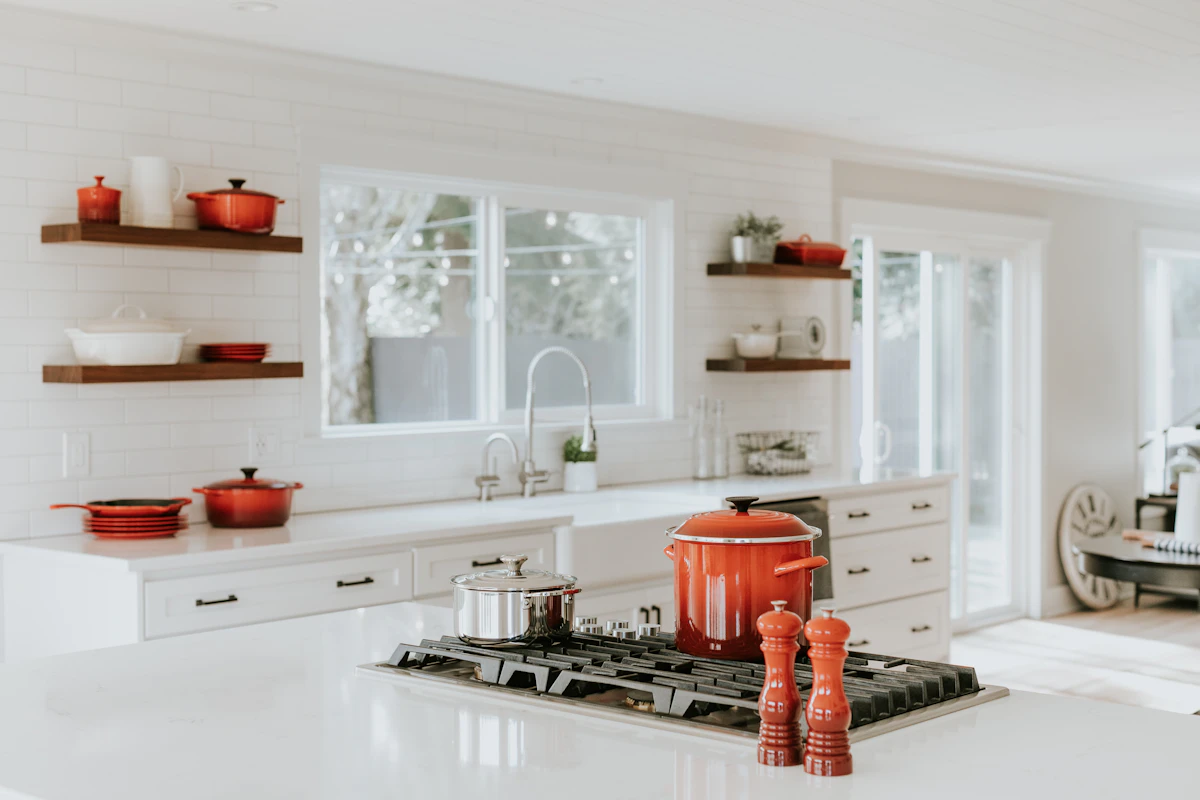
The fundamental difference between frameless and framed cabinets lies in their construction. Framed cabinets have a face frame attached to the front of the cabinet box, with doors and drawers mounted to this frame. Frameless cabinets (also called European or full-access cabinets) have no front face frame—doors attach directly to the cabinet box, allowing full access to the interior.
According to the Kitchen Cabinet Manufacturers Association (KCMA), both construction types can meet ANSI/KCMA A161.1 performance standards. The choice depends on aesthetic preference, storage needs, and regional building conventions.
Construction Comparison Table
| Feature | Framed Cabinets | Frameless Cabinets |
|---|---|---|
| Front face frame | Yes (1.5"-2" solid wood frame) | No face frame |
| Door mounting | On the face frame | Directly on cabinet box |
| Interior access | Partial (frame reduces opening) | Full access (wider opening) |
| Door style | Inset, partial overlay, full overlay | Full overlay only |
| Origin | Traditional North American | European (Germany/Italy) |
| Hinge type | Face-frame or variable | Concealed European (Blum) |
| Typical overlay | 1/2" to 1-1/4" | Full (door covers entire box edge) |
| Modular precision | More forgiving of uneven walls | Requires precise wall measurement |
Advantages of Frameless Cabinets
Greater storage access: Without a face frame, the cabinet opening is approximately 1.5 inches wider per cabinet, translating to 10-15% more usable interior space.
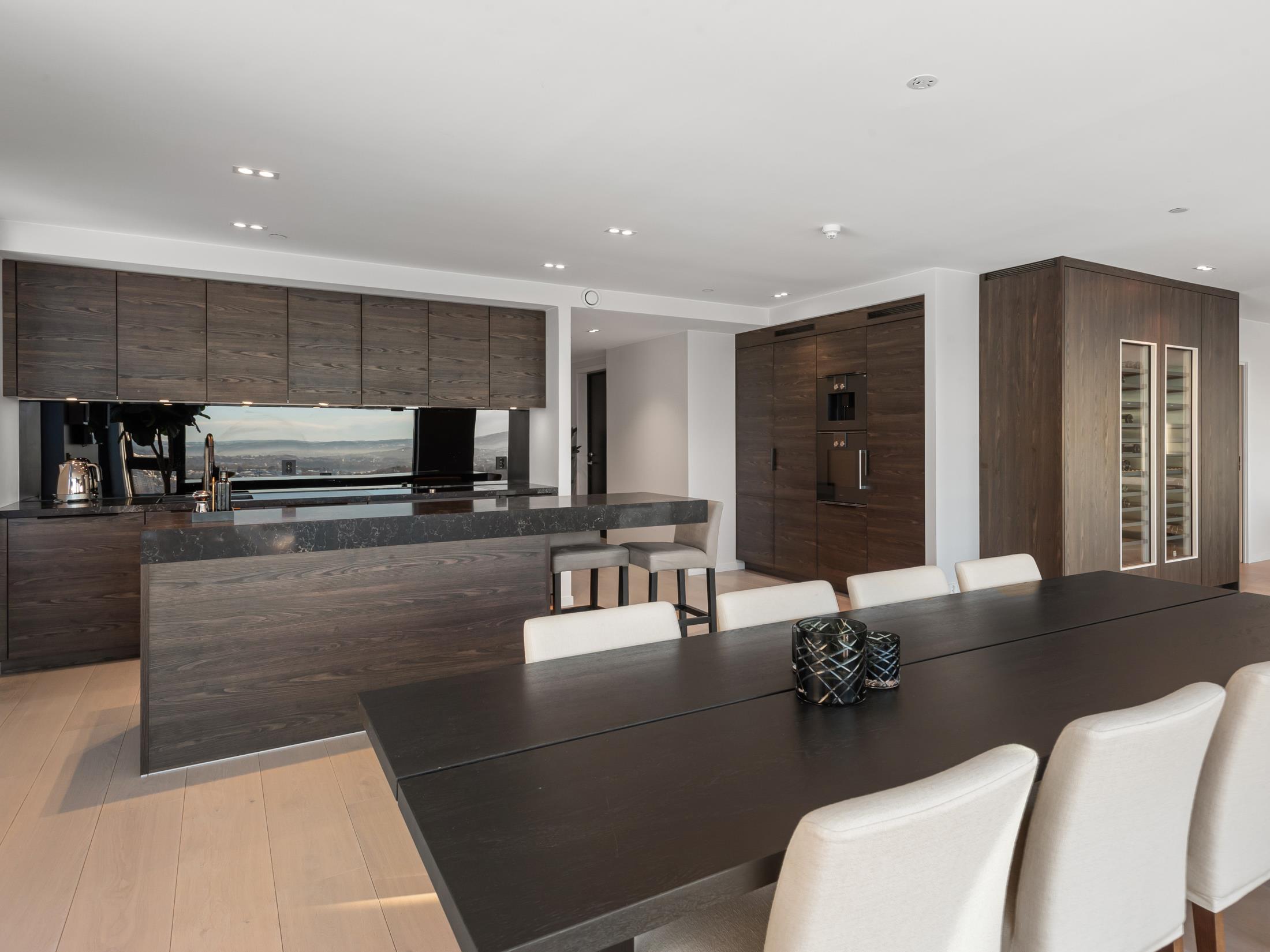
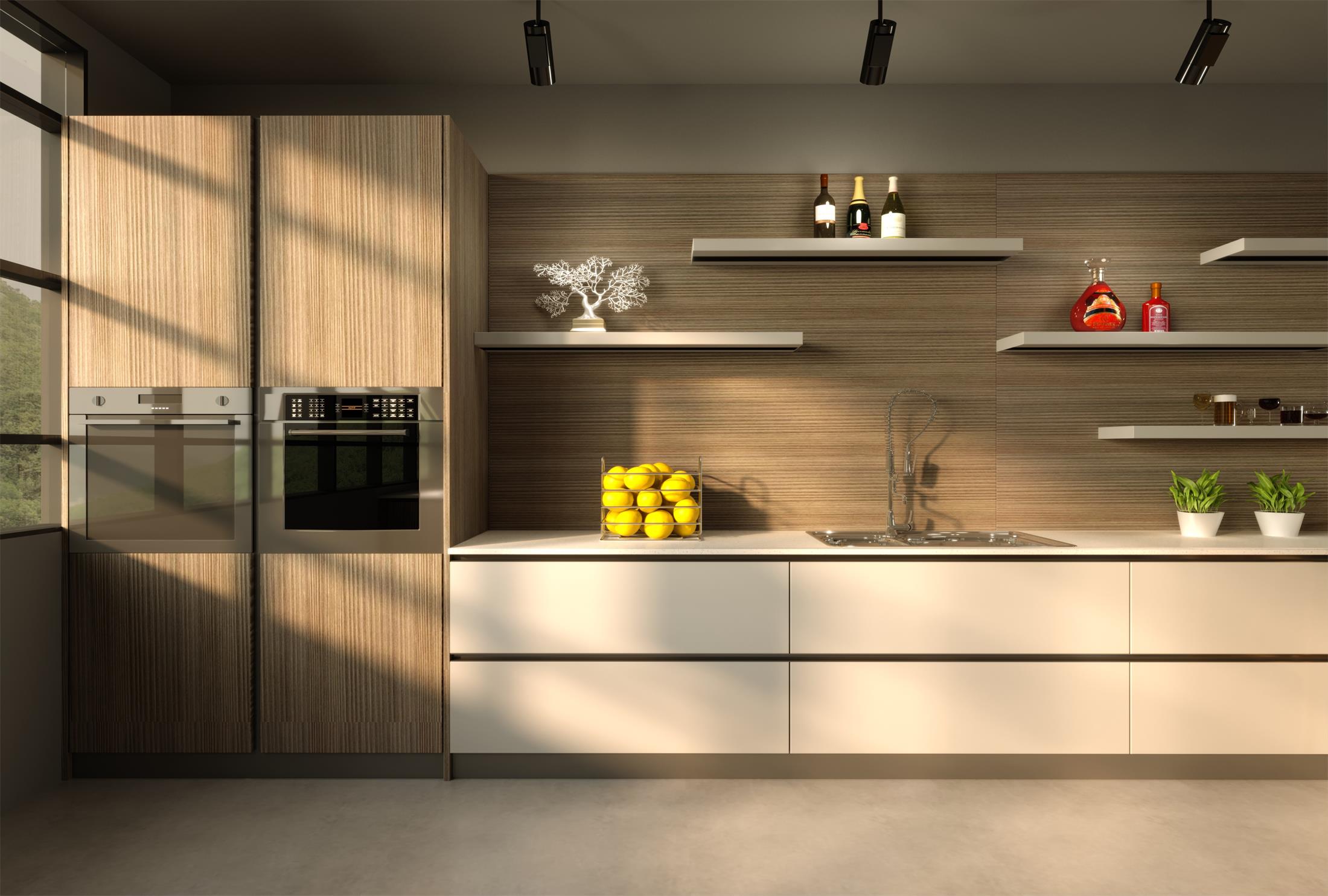
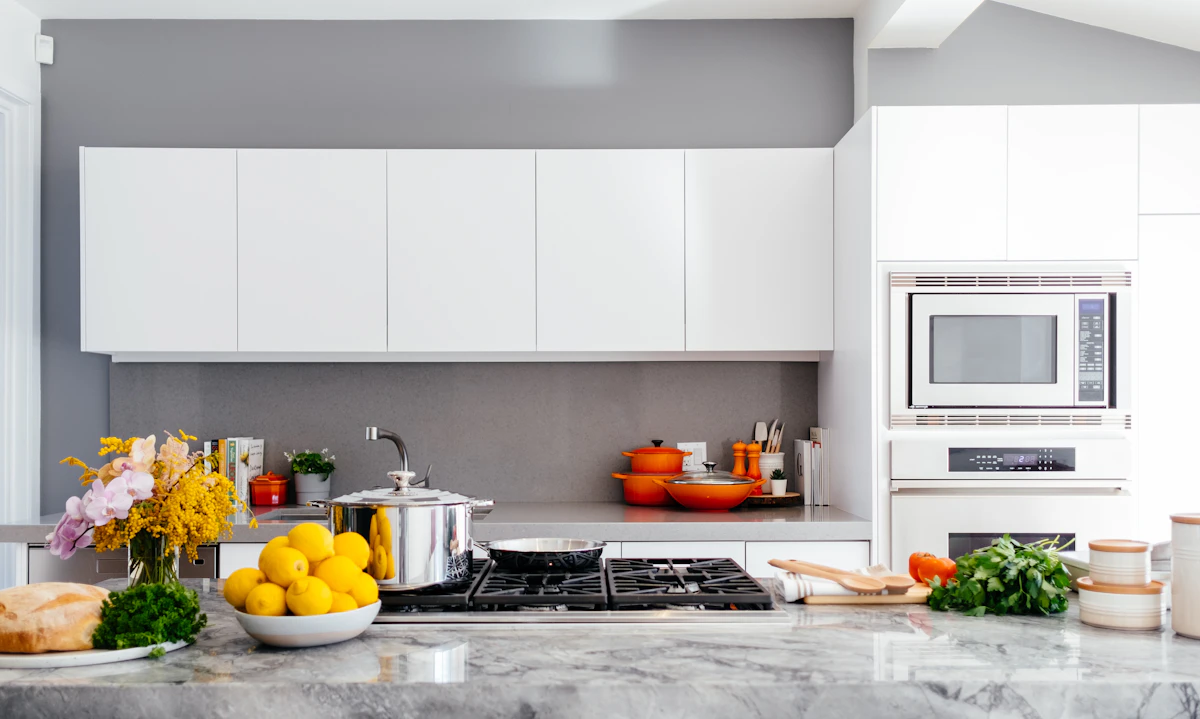
Cleaner, modern aesthetic: Frameless construction creates continuous, uninterrupted door lines—ideal for minimalist and contemporary kitchen designs.
Adjustable doors: European concealed hinges (e.g., Blum) allow 6-way adjustment, ensuring perfect door alignment even after installation.
Larger drawer capacity: Drawer boxes can extend closer to the cabinet edge, providing more usable drawer volume.
Faster production: Frameless cabinets require fewer components, making them efficient for manufacturers to produce at scale.
Advantages of Framed Cabinets
Structural rigidity: The face frame adds rigidity to the cabinet box, which can be beneficial in seismic zones or for heavy-duty applications.
Traditional aesthetic: Framed construction suits classic, transitional, and traditional kitchen styles, particularly in North American homes.
Tolerant of uneven walls: The face frame conceals gaps between cabinets and walls better than frameless construction.
Inset door option: Only framed cabinets can achieve true inset door construction, where doors sit flush within the frame opening.
Wider style range: Framed cabinets support inset, partial overlay, and full overlay door types, offering more design flexibility.
Cost Comparison
Frameless cabinets typically cost 10-15% less than comparable framed cabinets due to simplified construction and fewer material components. However, installation of frameless cabinets requires more precise measurement and leveling, which may offset some material savings depending on your contractor's experience.
Which Cabinet Type Is Right for Your Project?
| Choose Framed If... | Choose Frameless If... |
|---|---|
| Your home has traditional or transitional style | You prefer modern or minimalist design |
| You want inset door construction | You prioritize maximum storage access |
| Walls are uneven or out of square | Your walls are straight and level |
| You're in a North American market with framed tradition | You're in Australia, NZ, or European markets |
Quality Standards to Look For
Regardless of construction type, the KCMA Certification Program (ANSI/KCMA A161.1) tests cabinets for:
Structural integrity (door cycle testing: 25,000+ cycles)
Finish durability (chemical and stain resistance)
Shelf load capacity (15 lbs per square foot minimum)
Drawer durability (75 lb load test)
At Trendmax Cabinetry, we manufacture both framed and frameless cabinets to KCMA standards using CARB Phase 2 certified materials. Our frameless line features Blum soft-close hardware and concealed hinges with 6-way adjustment. Request a quote to discuss which construction type best suits your project.
Frequently Asked Questions
Are frameless cabinets cheaper than framed?
Frameless cabinets typically cost 10-15% less in materials due to simplified construction, but installation may require more precise workmanship.
Do frameless cabinets have less structural strength?
No. When built to KCMA standards, frameless cabinets meet the same structural integrity requirements as framed cabinets. The difference is aesthetic, not structural.
Can you put inset doors on frameless cabinets?
True inset door construction requires a face frame. Frameless cabinets use full-overlay doors that achieve a similar clean look but are not technically inset.