.jpg)
.jpg)
.JPG)
.jpg)
.jpg)
_看图王.jpg)


NEWS
What Are UV Kitchen Cabinets?
UV kitchen cabinets feature a UV-cured coating applied to cabinet doors and panels. Unlike traditional lacquer finishes that air-dry over hours, UV coatings cure almost instantly when exposed to ultraviolet light. This process creates a hard, durable surface that resists scratches, stains, and yellowing.
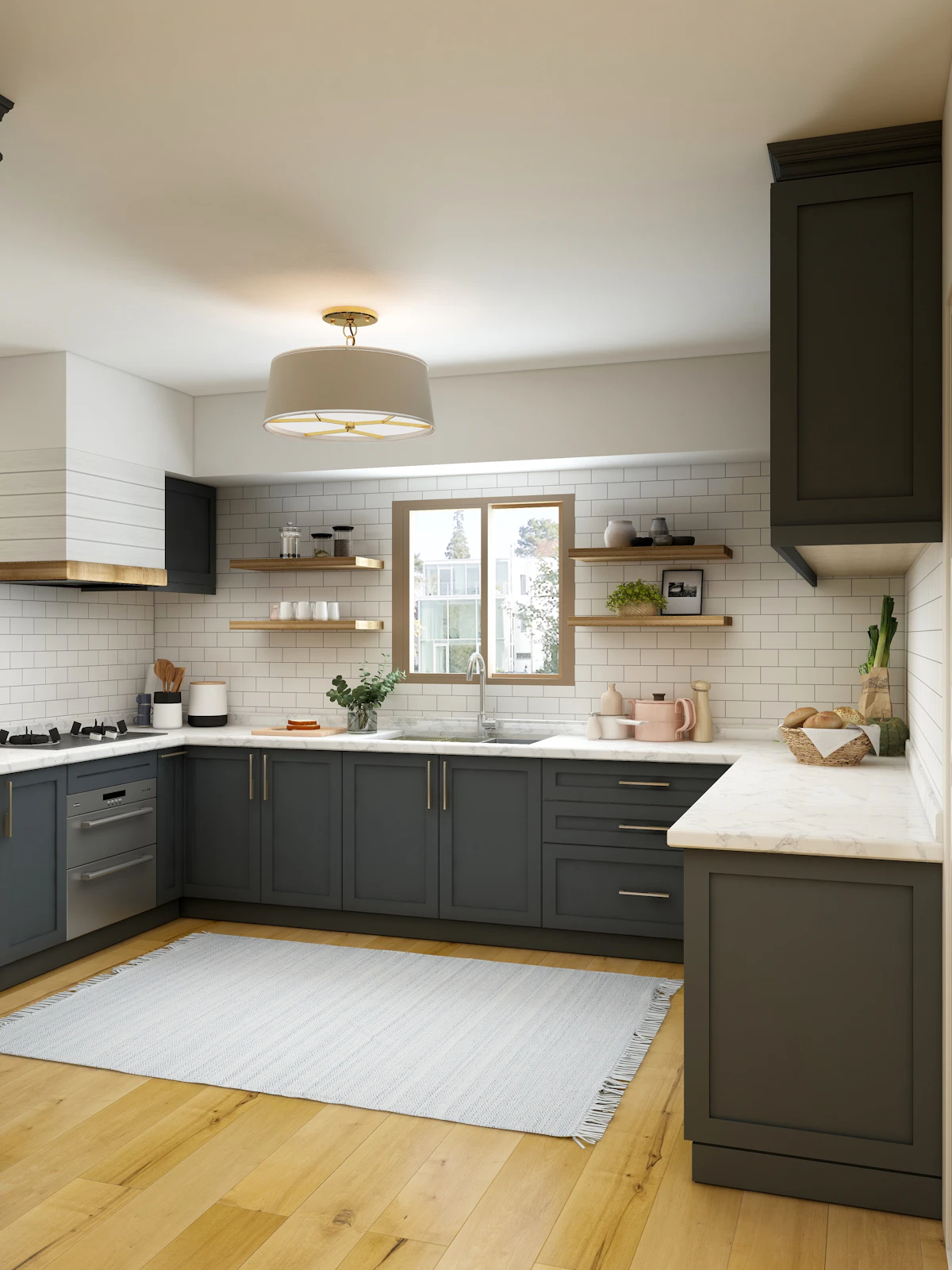
UV-curing technology has become a preferred finish option in the global cabinetry industry. According to the Forest Products Laboratory (FPL) of the U.S. Forest Service, UV-cured coatings achieve significantly higher cross-link density than conventional air-dried lacquers, resulting in superior mechanical and chemical resistance.
Key Benefits of UV Cabinet Finishes
1. Superior Scratch and Abrasion Resistance
UV-cured finishes achieve hardness ratings of 3H-6H on the pencil hardness scale, compared to 1H-2H for standard lacquer. This means UV cabinet doors resist daily wear from cleaning, kitchen tools, and accidental contact far better than traditional finishes.
2. Low VOC Emissions
Because UV coatings cure through photopolymerization (not solvent evaporation), they release minimal VOCs during and after application. The U.S. EPA recognizes UV-cured coatings as a low-emission technology. Cabinets with UV finishes typically have VOC emissions 50-80% lower than solvent-based lacquer finishes.
3. High Gloss Options
UV coatings can achieve mirror-like gloss levels exceeding 90 GU (gloss units) at a 60-degree angle, compared to 60-70 GU for standard lacquer. This creates the sleek, premium look popular in contemporary European kitchen designs.
4. Color Stability and UV Resistance
UV-cured coatings contain UV absorbers that prevent yellowing and color fading. Unlike traditional lacquer, which may yellow over time—especially white and light colors—UV finishes maintain their original color for years.
5. Fast Production and Consistent Quality
UV curing takes seconds rather than hours, enabling consistent finish quality across large production runs. This translates to more reliable lead times for builders and contractors.
UV Finish vs Other Cabinet Finishes
| Property | UV-Cured | Lacquer | Thermofoil | Powder Coat |
|---|---|---|---|---|
| Pencil hardness | 3H-6H | 1H-2H | B-2H | 2H-4H |
| Gloss range (GU) | 10-95 | 10-80 | 5-40 | 10-90 |
| VOC emissions | Very low | High | None | None |
| Yellowing resistance | Excellent | Poor (white) | Good | Excellent |
| Stain resistance | Excellent | Good | Good | Excellent |
| Moisture resistance | Excellent | Fair | Good | Excellent |
| Repairability | Difficult | Moderate | Difficult | Difficult |
Available Colors and Gloss Levels
UV cabinet finishes are available in a wide range of colors and effects:
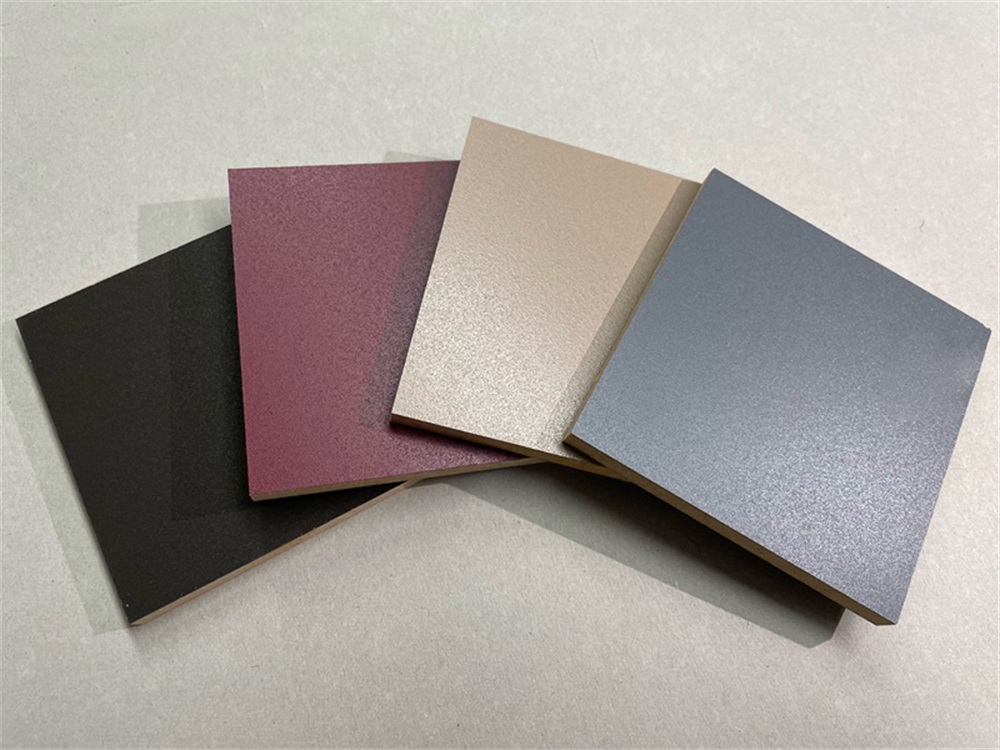
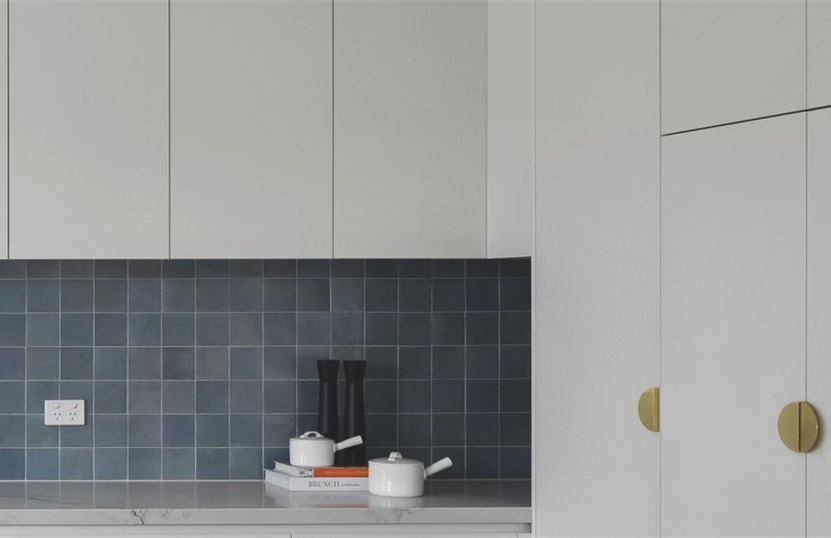
High-gloss solid colors: White, grey, navy, black, and custom RAL colors
Matte finishes: Soft-touch matte in neutral tones
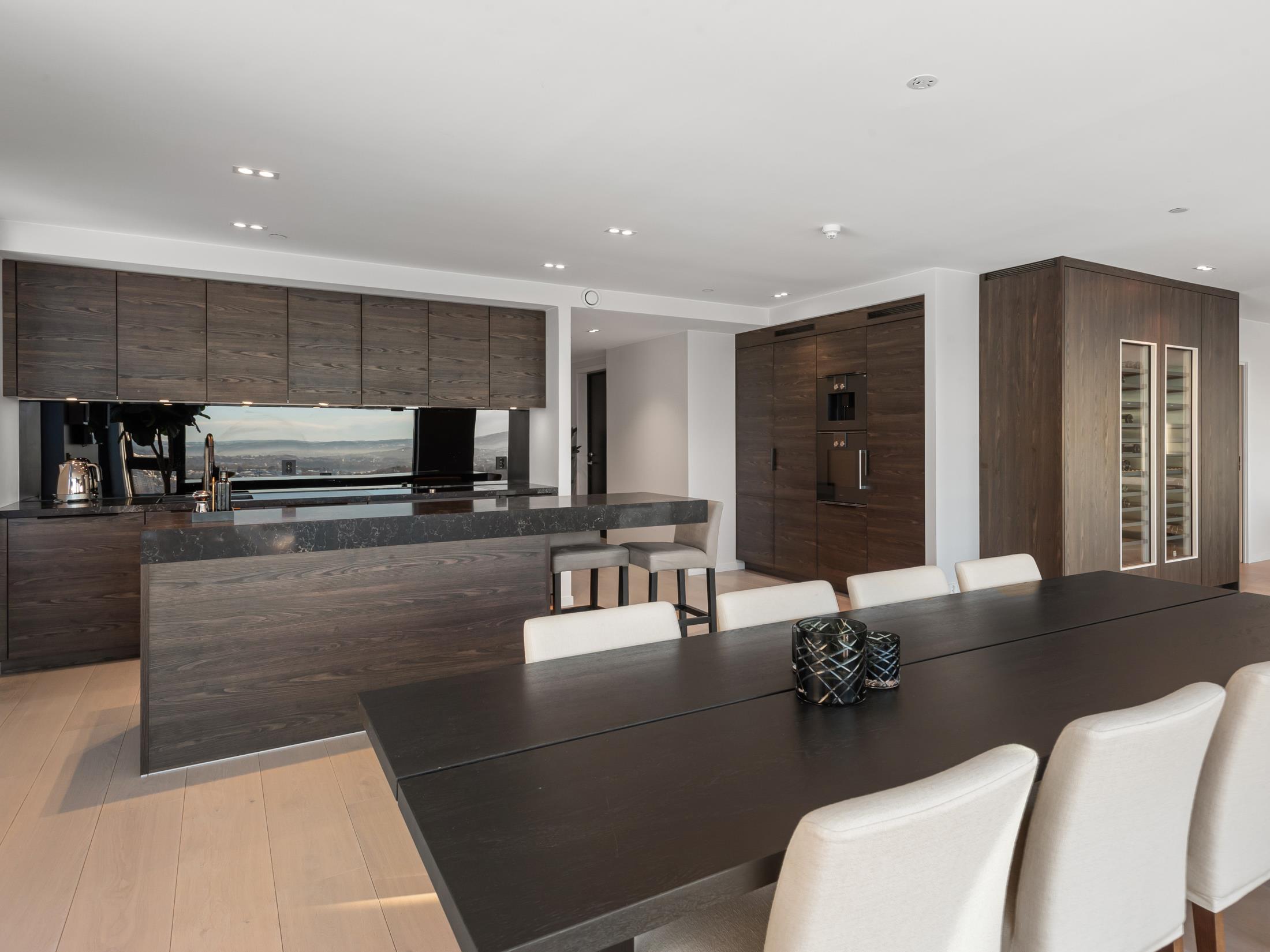
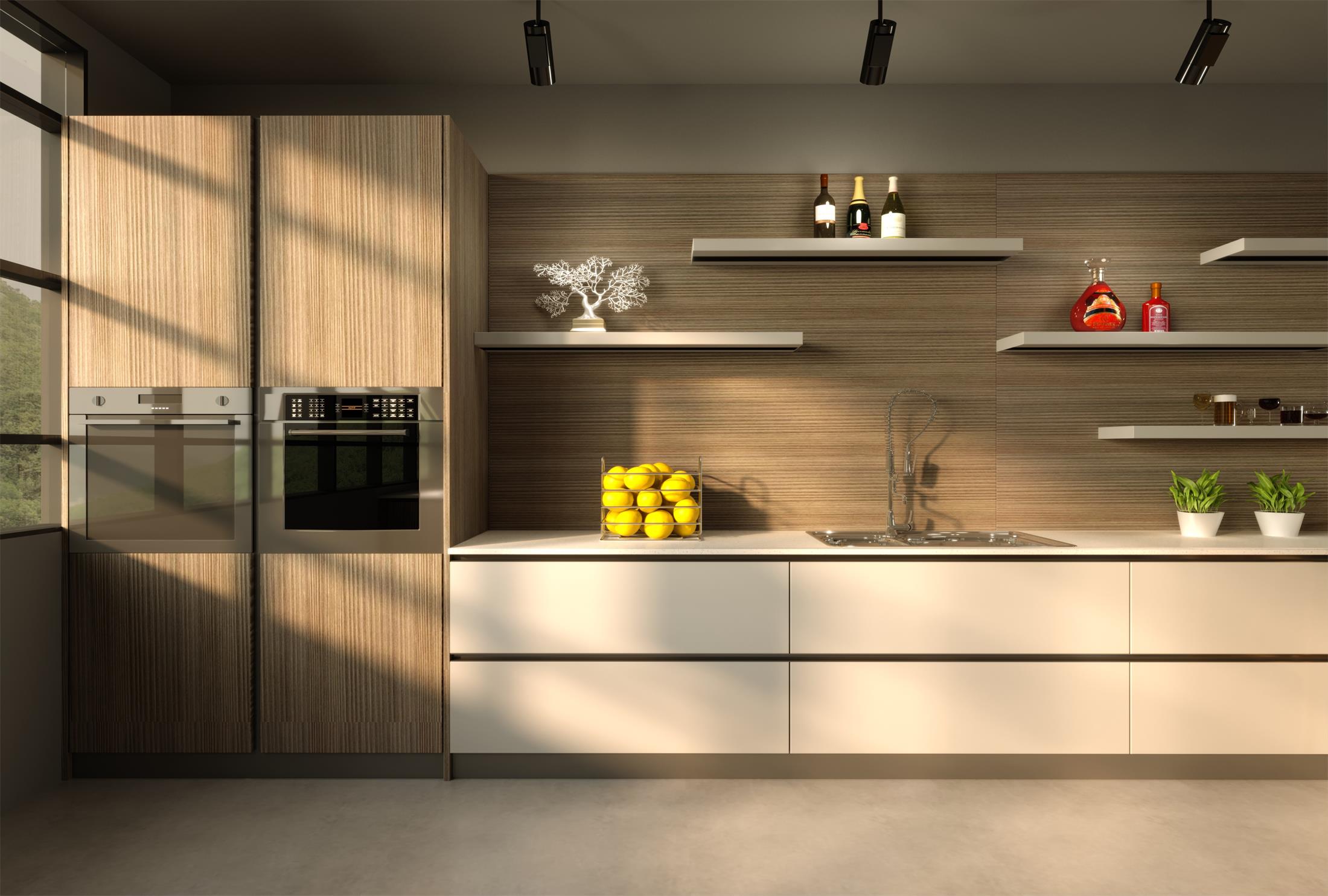
Wood grain reproduction: UV printing replicates natural wood textures on MDF panels
Metallic effects: Brushed aluminum and champagne gold tones
Two-tone combinations: Contrast upper and lower cabinet colors
Maintenance and Care for UV Cabinets
Clean with a soft microfiber cloth and mild soap solution
Avoid abrasive cleaners, scouring pads, or solvents
Wipe spills immediately to prevent water infiltration at seams
Use cutting boards—do not cut directly on cabinet surfaces
UV finishes do not require reapplication or resealing
Are UV Cabinets Right for Your Kitchen?
UV kitchen cabinets are ideal for:
Modern and contemporary kitchen designs
High-traffic kitchens requiring durable finishes
Households concerned about indoor air quality (low VOC)
Projects requiring color consistency across multiple units
White or light-colored cabinets where yellowing resistance is critical
At Trendmax Cabinetry, our UV kitchen cabinet line includes high-gloss and matte options with CARB Phase 2 certified MDF substrates. Our UV coating line achieves 4H+ hardness with 90+ GU gloss for premium finishes. Contact us for UV cabinet samples and pricing.
Frequently Asked Questions
Are UV kitchen cabinets expensive?
UV cabinets are mid-to-premium priced—comparable to quality lacquer finishes but more expensive than thermofoil. The longer lifespan and lower maintenance often justify the investment.
Do UV cabinet finishes peel?
No. Unlike thermofoil, which can delaminate in high heat, UV coatings are chemically bonded to the substrate and do not peel under normal conditions.
How long do UV cabinet finishes last?
With proper care, UV-cured finishes can last 15+ years without significant degradation, making them one of the most durable cabinet finish options available.