.jpg)
.jpg)
.JPG)
.jpg)
.jpg)
_看图王.jpg)


NEWS
Cabinet Finish Types Explained
The cabinet finish is the outermost layer that protects the door substrate and defines the visual appearance. The three most common cabinet finishes—thermofoil, lacquer, and wood veneer—each offer distinct advantages in durability, aesthetics, and cost. Understanding these differences helps you select the right finish for your project's budget, style, and performance requirements.

Finish Comparison Overview
| Property | Thermofoil | Lacquer | Wood Veneer |
|---|---|---|---|
| Material | PVC/vinyl film heat-bonded to MDF | Solvent or water-based paint on wood/MDF | Real wood slice bonded to MDF/plywood |
| Appearance | Smooth, seamless, uniform | Rich, deep, customizable | Natural wood grain, authentic |
| Cost (relative) | Lowest | Medium-high | High |
| Durability | Good (can peel in heat) | Good-excellent (depends on type) | Excellent |
| Heat resistance | Moderate (avoid near ovens) | Excellent | Excellent |
| Moisture resistance | Good (sealed edges required) | Good (multi-coat system) | Good (sealed properly) |
| Repairability | Difficult (requires replacement) | Moderate (can refinish) | Good (can refinish) |
| VOC emissions | None (pre-applied film) | Moderate-high (during application) | Low (adhesive only) |
| Color options | Limited to standard colors | Unlimited (custom RAL) | Natural wood tones + stain |
Thermofoil Cabinets
How It Works
Thermofoil is a PVC (polyvinyl chloride) film, typically 0.15-0.35mm thick, that is vacuum-pressed and heat-bonded to an MDF substrate. The process creates a seamless, fully sealed door with no exposed edges—ideal for flat panel and simple Shaker profiles.
Advantages
Most cost-effective finish option
Seamless, uniform surface with no brush marks or orange peel
No VOC emissions from the finished product
Resistant to common household stains and chemicals
Available in matte, satin, and gloss finishes
Limitations
Heat sensitivity: Can delaminate if exposed to temperatures above 140°F (60°C). Avoid installing near ovens, dishwashers, or range hoods without heat shields
Yellowing: White thermofoil may yellow over time in UV-exposed locations
Cannot be refinished: Damaged thermofoil requires full door replacement
Limited profiles: Not suitable for deeply profiled raised panel doors
Best Applications
Budget-conscious projects, rental properties, laundry rooms, and areas away from direct heat sources.
Lacquer Cabinets
How It Works
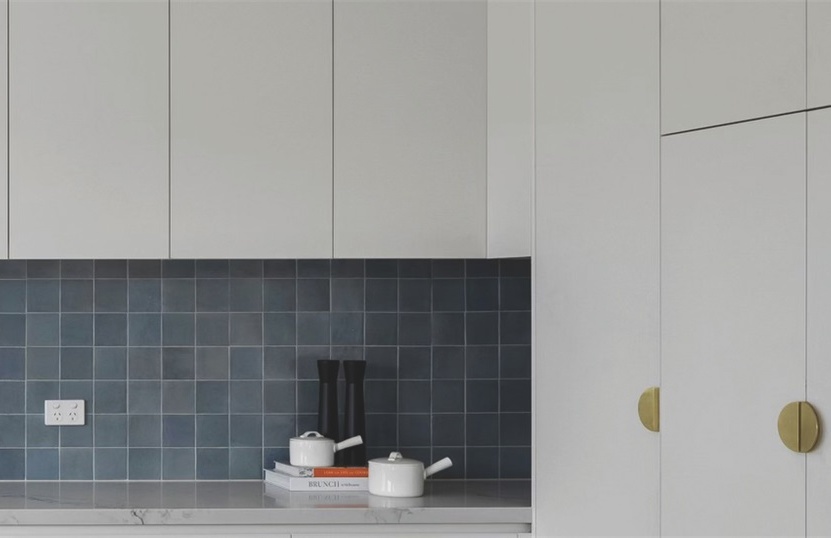
Lacquer is a solvent-based or water-based coating applied via spray in multiple layers (primer, base coat, clear coat). Each layer is sanded between coats. The result is a durable, deep, furniture-quality finish. Modern UV-cured lacquer systems (described separately) offer even greater durability.
Advantages
Unlimited color customization (any RAL or custom color)
Rich, deep finish with excellent clarity
Can be refinished or repainted if damaged
Excellent heat and UV resistance
Available in matte, satin, semi-gloss, and high-gloss
Limitations
Higher cost than thermofoil
VOC emissions during application (not after curing)
Requires controlled dust-free environment for quality results
May show brush marks or orange peel if poorly applied
Best Applications
Custom kitchens, premium renovations, and projects requiring specific color matching.
Wood Veneer Cabinets
How It Works
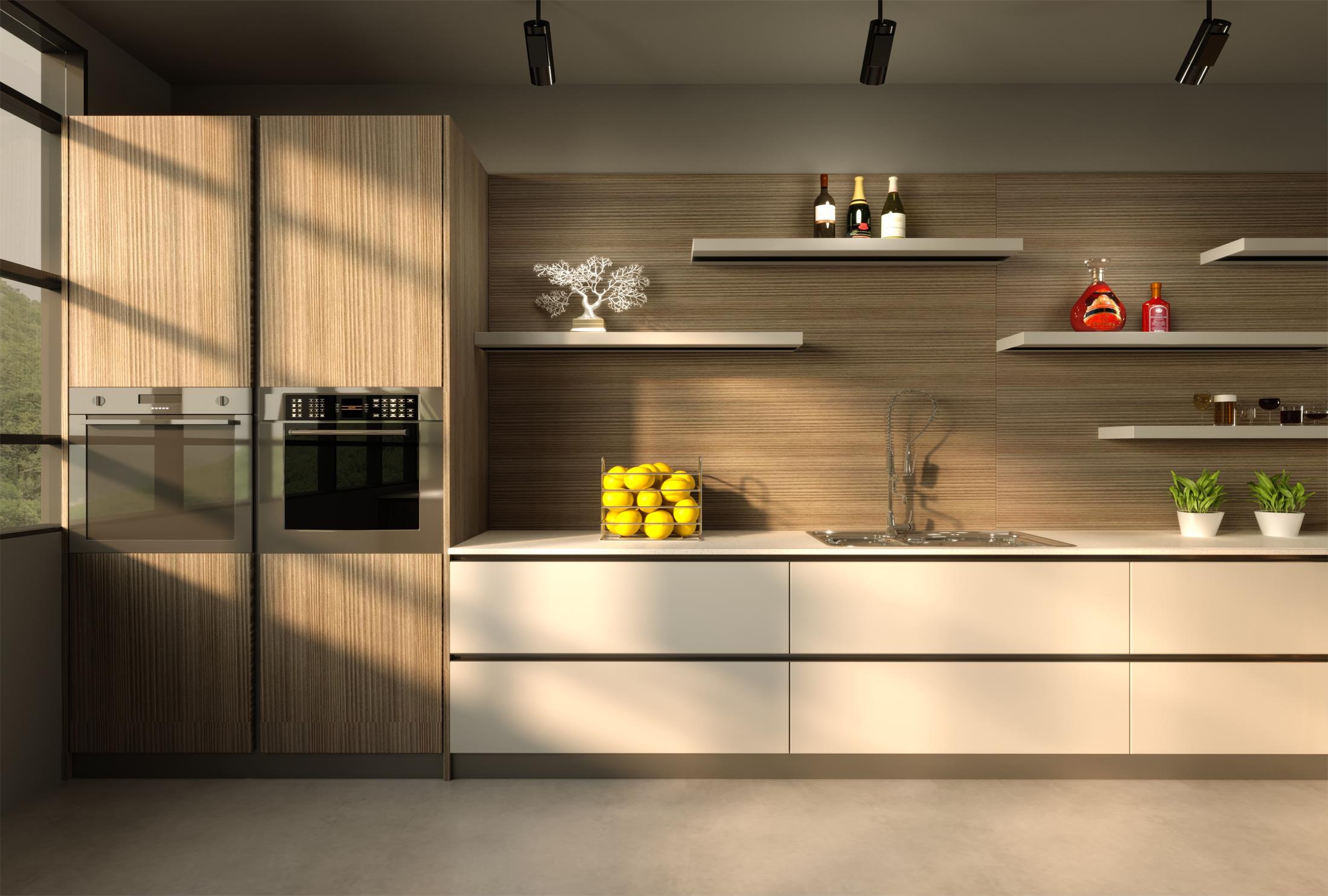
Wood veneer is a thin slice of real wood (typically 0.5-0.6mm thick) bonded to an MDF or plywood substrate using specialized adhesives. The veneer is then finished with a clear coat, oil, or stain to protect and enhance the natural wood appearance.

Advantages
Authentic natural wood appearance
Available in premium species: oak, walnut, maple, birch, teak
Dimensionally stable (MDF substrate resists warping)
Can be refinished with new stain or oil
Low VOC emissions (adhesive only, no solvent-based paint)
Limitations
Highest cost among the three options
Natural color variation between sheets (requires careful matching)
Veneer is thin and cannot be heavily sanded
Requires edge banding for visible edges
Best Applications
High-end kitchens, executive offices, and projects where natural wood aesthetics are essential.
Which Finish Should You Choose?
| Your Priority | Recommended Finish |
|---|---|
| Lowest cost | Thermofoil |
| Maximum durability | UV-cured lacquer |
| Natural wood look | Wood veneer |
| Custom color matching | Lacquer |
| Rental/laundry room | Thermofoil |
| Premium kitchen | Wood veneer or UV lacquer |
| Heat-prone area (near oven) | Lacquer or wood veneer |
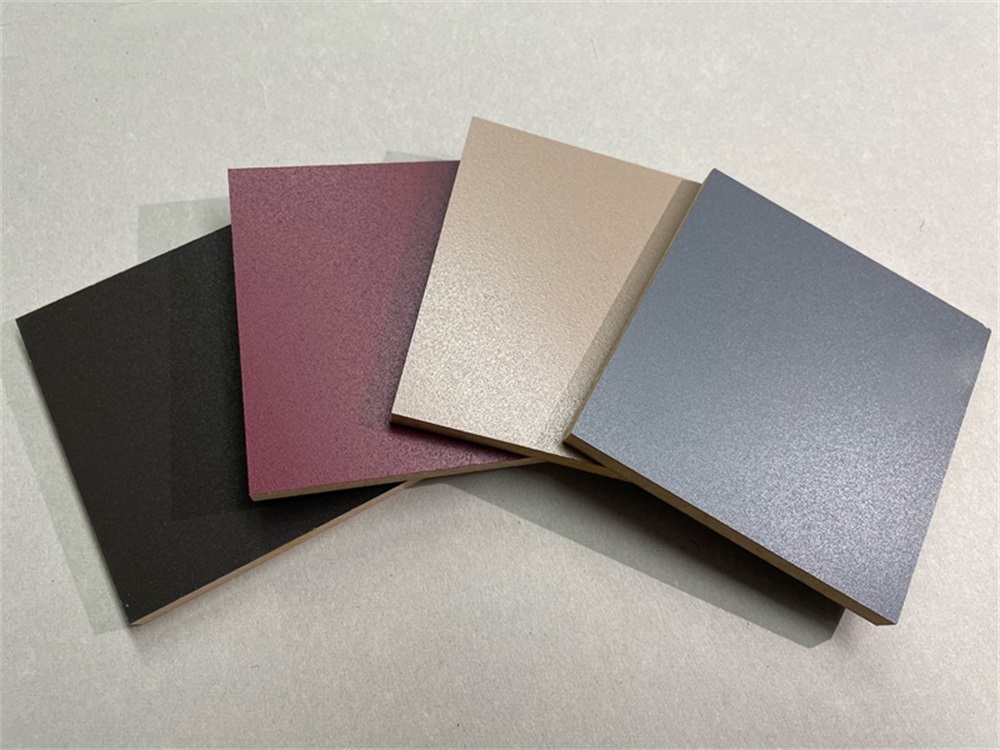
At Trendmax Cabinetry, we offer all three finish types across our product lines. Our thermofoil doors use premium PVC film with heat-resistant adhesive, our lacquer line includes UV-cured options, and our wood veneer doors are available in oak, walnut, birch, and maple species. Contact us for finish samples.
Frequently Asked Questions
How long do thermofoil cabinets last?
With proper care and avoidance of high-heat areas, thermofoil cabinets typically last 10-15 years. Near heat sources, delamination may occur within 3-5 years.
Is lacquer better than thermofoil?
Lacquer offers superior heat resistance, color customization, and repairability. Thermofoil is more cost-effective and seamless. The better choice depends on budget and application.
Can wood veneer cabinets be painted?
Yes, but it is not recommended. Veneer is designed to showcase natural wood grain. If you want a painted finish, lacquer over MDF is a better option.