.jpg)
.jpg)
.JPG)
.jpg)
.jpg)
_看图王.jpg)



NEWS
Three Ways to Buy Cabinets
Every cabinet on the market falls into one of three supply models: ready-to-assemble (RTA), pre-assembled (fully built in the factory), or custom-made to order. The differences are not only about price—they change how cabinets are packed, how they survive shipping, how quickly they arrive, and how well they fit a specific room. Understanding the trade-offs helps buyers match the supply model to the project instead of overpaying or, worse, underspecifying.
Quick Comparison
| Factor | RTA Cabinets | Pre-Assembled Cabinets | Custom Cabinets |
|---|---|---|---|
| Typical cost index | 1.0 (baseline) | 1.3–1.6× RTA | 2–4× RTA |
| Lead time | Stock, ships in days | 1–3 weeks | 4–12 weeks |
| Joinery | Cam locks, screws, minifix | Dowelled, glued, stapled in factory jigs | Dowelled + glued, dado, full precision fit |
| Shipping risk | Higher (many parts, more handling by user) | Lower (factory-controlled assembly) | Lowest (crated, job-specific) |
| Fit to room | Standard modules only | Standard modules with filler panels | Exact to millimeter, incl. odd walls |
| Best for | Rentals, budgets, DIYers | Fast track homes, developers | Design-led kitchens, hotels, villas |
RTA Cabinets: Strengths and Limits
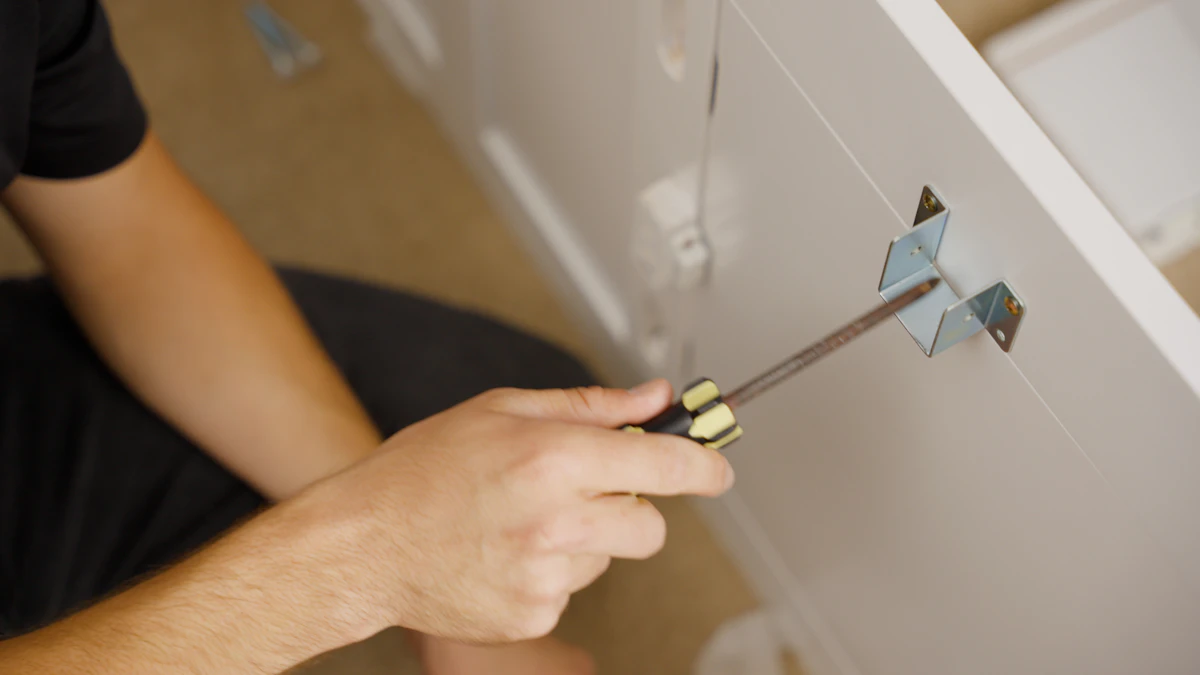
RTA cabinets ship as flat panels with cam-lock or screw-based connectors. The main advantage is logistics: flat packing cuts freight volume dramatically, which is why exporters and e-commerce sellers favor the format. Factory CNC drilling keeps holes consistent, and a competent installer can assemble a base cabinet in 15–30 minutes. Limits show up in three places:
Connection strength: screw- and cam-based joints rely on accurate assembly; over-torqued cam locks strip particleboard cores, and frames can go out of square if the floor is not leveled during install
Assembly quality varies by installer: the same RTA box can perform differently across jobsites
Standard sizes only: no answer for non-standard alcoves, sloped ceilings or integrated appliance clearances
Pre-Assembled: The Middle Path
Pre-assembled cabinets leave the factory fully built and squaring-checked. Assembly in factory jigs produces more consistent glue bonds and square boxes than field assembly, and QC can inspect the finished cabinet rather than a stack of parts. The trade-offs are freight (built cabinets occupy far more container volume, raising per-unit shipping cost) and the risk of transit damage on doors and face frames. For developers fitting many identical units on a schedule, pre-assembled is usually the lowest total-cost option once labor is counted.
Custom Cabinets: What the Premium Buys
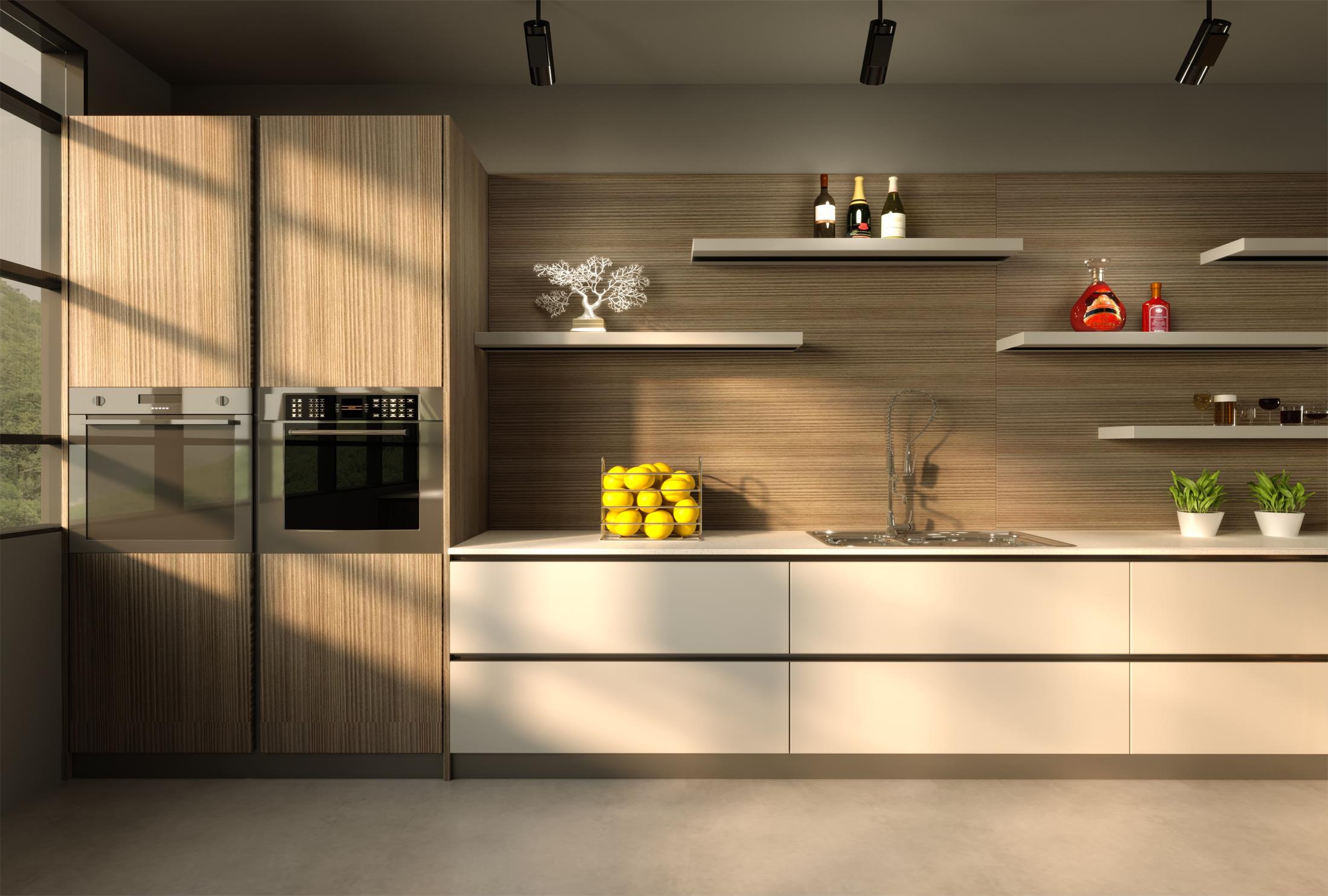
Custom work starts from room measurements rather than a catalog. The factory cuts every panel to order, integrates scribes and fillers into the design, and can adapt to stone counter overhangs, angled walls, ceiling transitions and appliance specs from named brands. Joinery is typically dowelled and glued, sometimes with dado construction for fixed shelving, which is why custom boxes carry longer structural warranties.
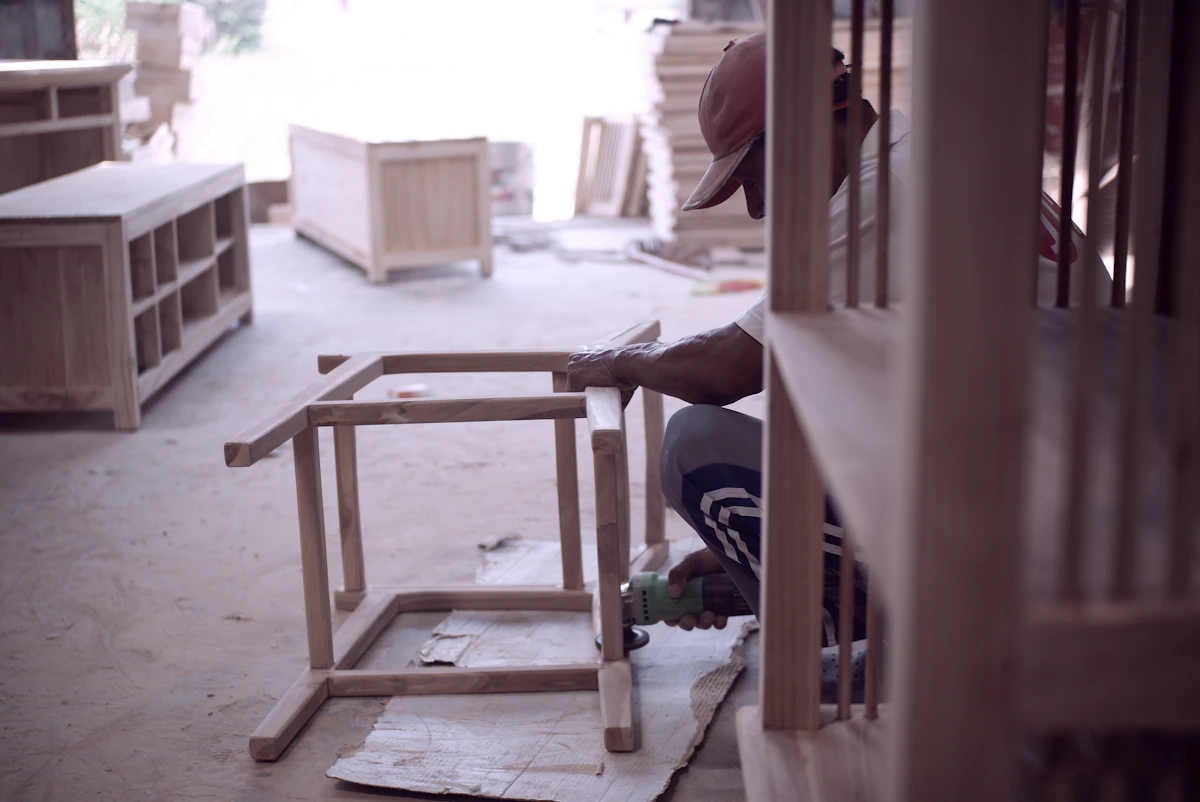
The costs are time and money: expect a detailed measuring visit, 4–12 weeks of production, and a price driven by material choice ( veneer, paint-grade MDF, solid wood), finish system and hardware specification.
2026 Buyer Checklist
Count your non-standard dimensions first. If more than a third of your run needs fillers or modifications, price custom against the wasted space of standard modules
Compare installed cost, not box price. RTA looks 30–40% cheaper on paper, but installer assembly hours narrow the gap
Check the joinery spec, not the marketing. Ask whether boxes are dowelled and glued or cam-locked, and whether backs are nailed or inset into grooves
Ask about the container math for exports. For overseas buyers, RTA flat-pack volume can decide the landed cost per kitchen
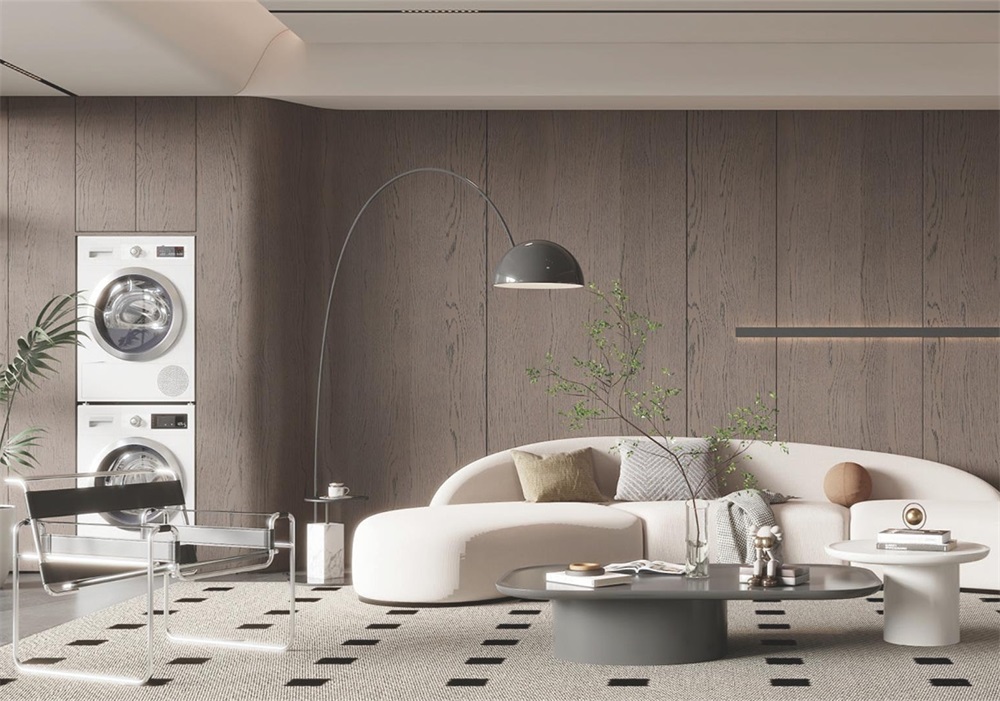
Mix models where it makes sense. Many projects run custom cabinets on visible runs and RTA inside pantries, garages and laundry rooms
Bottom Line
RTA wins on landed cost and speed, pre-assembled wins on consistency per hour of site labor, and custom wins on fit and finish where the architecture demands it. The right answer is usually per-room, not per-project: match the supply model to how visible, how irregular and how heavily used each space will be.